
The Art of Nature Journaling: Observing the Wild Mindfully
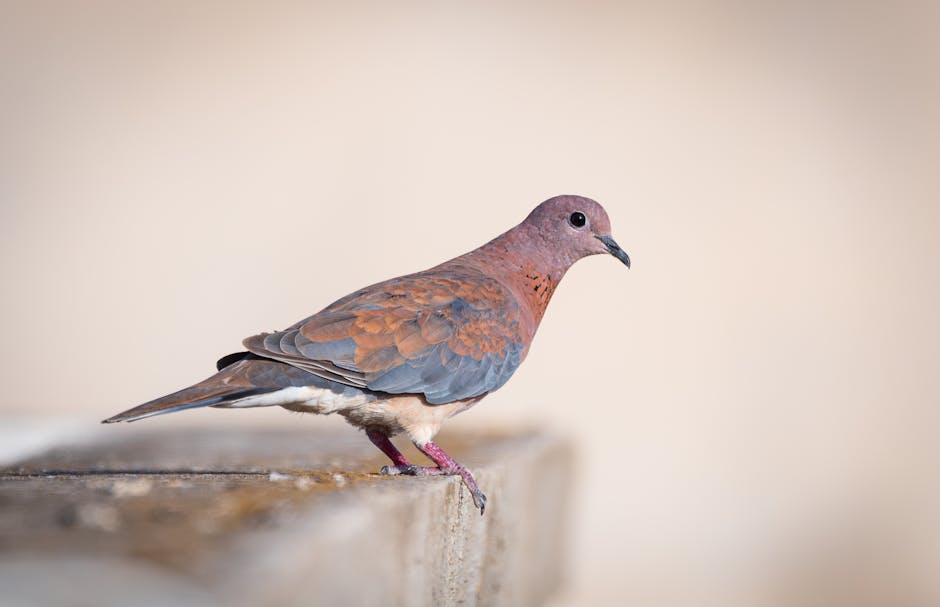
The Art of Nature Journaling: Observing the Wild Mindfully
The Benefits of Nature Journaling for Mindfulness
Nature journaling is more than just a creative outlet; it’s a powerful practice that can enhance mindfulness and deepen our connection to the natural world. When we take the time to observe our surroundings and document our experiences, we engage in a form of meditation that encourages us to be present in the moment. This practice invites us to slow down, breathe, and truly see what is around us, fostering a sense of peace and clarity that can be hard to find in our fast-paced lives.
One of the most significant benefits of nature journaling is its ability to sharpen our observational skills. As we sit quietly in a park, forest, or even our backyard, we begin to notice the intricate details of the environment that often go overlooked. The way sunlight filters through leaves, the subtle movements of animals, or the delicate patterns on a flower petal can all become sources of inspiration. By focusing on these details, we cultivate a heightened awareness that encourages us to appreciate the beauty of the world around us. This practice of observation not only enriches our journaling experience but also helps us develop a more profound appreciation for nature itself.
Moreover, nature journaling serves as a wonderful tool for stress relief. In our busy lives, it’s easy to become overwhelmed by daily responsibilities and distractions. However, when we immerse ourselves in nature and take the time to write or sketch, we create a sanctuary for our minds. The act of journaling allows us to express our thoughts and feelings, providing an emotional release that can be incredibly therapeutic. As we pour our observations onto the page, we often find that our worries begin to fade, replaced by a sense of calm and tranquility. This process not only helps us manage stress but also encourages us to cultivate a more positive mindset.
In addition to promoting mindfulness and reducing stress, nature journaling can also enhance our creativity. When we engage with the natural world, we open ourselves up to new ideas and perspectives. The colors, shapes, and textures we encounter can inspire us to think outside the box and explore our artistic side. Whether we’re doodling a quick sketch of a bird or writing a poem about the changing seasons, the creative possibilities are endless. This freedom to express ourselves can lead to a greater sense of fulfillment and joy, reminding us of the importance of play and exploration in our lives.
Furthermore, nature journaling fosters a sense of connection—not only to the environment but also to ourselves. As we document our experiences, we begin to notice patterns in our thoughts and feelings, allowing us to reflect on our personal growth. This self-awareness can be incredibly empowering, helping us to understand our place in the world and our relationship with nature. By recognizing the interconnectedness of all living things, we cultivate a sense of responsibility and stewardship for the environment, encouraging us to take action in preserving the beauty we observe.
In conclusion, the art of nature journaling offers a multitude of benefits for mindfulness, creativity, and personal growth. By taking the time to observe and document our experiences in nature, we not only enhance our awareness but also find solace and inspiration in the world around us. So, grab a notebook and a pencil, head outside, and let the wonders of nature guide your pen. You might just discover a deeper connection to both the wild and yourself.
Techniques for Observing Wildlife in Your Journal
Nature journaling is a delightful way to connect with the world around us, and when it comes to observing wildlife, there are some techniques that can really enhance your experience. First and foremost, it’s essential to find a quiet spot where you can sit comfortably and immerse yourself in the environment. Whether it’s a local park, a forest trail, or even your backyard, the key is to choose a place where you feel at ease and can focus on the sights and sounds of nature. Once you’ve settled in, take a moment to breathe deeply and let the surroundings wash over you. This mindfulness will help you tune into the subtle movements and sounds of wildlife.
As you begin to observe, it’s helpful to adopt a slow and deliberate approach. Instead of rushing to jot down everything you see, take your time to really look. Notice the way the light filters through the leaves, casting dappled shadows on the ground. Pay attention to the rustling in the bushes or the distant call of a bird. By slowing down, you’ll start to notice details that might otherwise go overlooked. For instance, you might spot a squirrel darting up a tree or a butterfly flitting from flower to flower. These small moments can be incredibly rewarding and provide rich material for your journal.
When you do start writing, consider using descriptive language to capture the essence of what you’re observing. Instead of simply noting that you saw a bird, describe its colors, size, and behavior. Was it a vibrant blue jay with a sharp call, or a small, brown sparrow hopping along the ground? By painting a vivid picture with your words, you’ll not only enhance your own experience but also create a more engaging record for future reference. Additionally, don’t hesitate to include sketches in your journal. Even if you don’t consider yourself an artist, a simple drawing can help solidify your observations and make your entries more personal.
Another technique to enrich your wildlife observations is to engage your other senses. Listen closely to the sounds around you—perhaps the gentle rustle of leaves or the distant croak of a frog. These auditory cues can provide context to your visual observations and deepen your understanding of the ecosystem. You might also want to take a moment to close your eyes and focus on the scents in the air. The earthy smell of damp soil or the sweet fragrance of blooming flowers can evoke memories and emotions that enhance your connection to the natural world.
Moreover, consider keeping a consistent schedule for your nature journaling. Regular visits to the same location can reveal the changes in wildlife behavior and seasonal shifts. You might notice how the arrival of spring brings a flurry of activity as birds build nests and flowers bloom. By documenting these changes over time, you’ll create a rich tapestry of observations that reflect the dynamic nature of your environment.
In conclusion, the art of nature journaling is all about cultivating a mindful relationship with the wild. By employing techniques such as slowing down, using descriptive language, engaging your senses, and maintaining a regular practice, you’ll find that observing wildlife becomes not just an activity, but a rewarding journey of discovery. So grab your journal, find a cozy spot, and let the wonders of nature unfold before you. Happy journaling!
Creative Ways to Enhance Your Nature Journaling Experience
Nature journaling is a delightful way to connect with the world around us, and there are countless creative ways to enhance this experience. One of the simplest yet most effective methods is to change your perspective. Instead of just sitting on a bench or a picnic blanket, try lying on your back in the grass or climbing a small hill to get a bird’s-eye view of your surroundings. This shift in vantage point can reveal details you might have otherwise missed, like the intricate patterns of leaves against the sky or the bustling activity of insects in the underbrush. By altering your physical position, you invite fresh insights and inspiration into your journaling practice.
Another fun approach is to incorporate different artistic mediums into your journal. While traditional writing and sketching are wonderful, consider adding watercolor paints, colored pencils, or even collage elements. For instance, you might collect small leaves, flowers, or feathers during your nature walks and glue them into your journal alongside your observations. This tactile element not only enriches your entries but also creates a visual narrative that captures the essence of your experiences. Plus, experimenting with various materials can spark your creativity and encourage you to express your thoughts in new ways.
As you immerse yourself in nature, don’t forget to engage your senses fully. Instead of merely observing what you see, take a moment to listen to the sounds around you. The rustling of leaves, the chirping of birds, or the distant sound of water flowing can all add depth to your journaling. You might even jot down a few lines about how these sounds make you feel or how they contribute to the atmosphere of the moment. By weaving sensory details into your entries, you create a richer tapestry of your experiences, making your journal a more vivid reflection of your time spent outdoors.
Moreover, consider setting a specific theme for each journaling session. Perhaps one day you focus solely on the colors of nature, capturing the vibrant hues of flowers, the deep greens of foliage, or the soft browns of tree bark. On another day, you might concentrate on textures, describing the roughness of stones, the smoothness of petals, or the coolness of water. This thematic approach not only keeps your journaling fresh and exciting but also encourages you to observe with greater intention, honing your skills as a naturalist and artist.
Additionally, sharing your nature journaling journey with others can be incredibly rewarding. Whether it’s through a local nature group, an online community, or simply with friends and family, discussing your observations and artistic expressions can lead to new insights and ideas. You might find that others have noticed things you overlooked or have different interpretations of the same scene. This exchange of perspectives can deepen your appreciation for nature and inspire you to explore new avenues in your journaling practice.
Finally, don’t forget to be patient with yourself. Nature journaling is not about perfection; it’s about the process of observation and connection. Allow yourself to make mistakes, embrace the messiness of creativity, and enjoy the journey. Each entry is a step toward understanding not just the natural world but also your own thoughts and feelings. So grab your journal, head outside, and let the beauty of nature inspire you in ways you never imagined.